

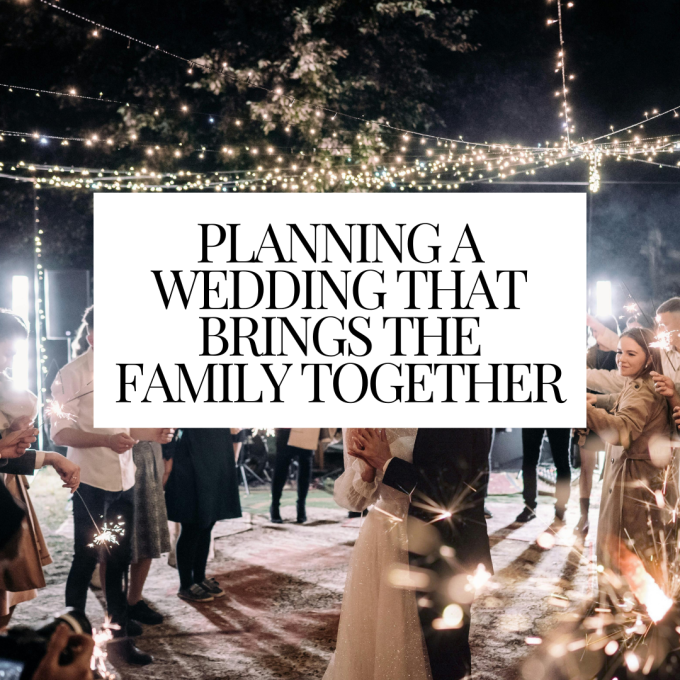
What if your wedding wasn’t just a ceremony but a celebration rooted in family, culture, and connection?
A wedding can honor the traditions, skills, and stories that define your life together, bringing generations together in one shared moment.
Couples are finding new ways to create meaningful gatherings that reflect who they are and where they come from. Including family in thoughtful ways, through handcrafted items, heirloom recipes, or shared music, turns a beautiful day into something unforgettable.
Clear boundaries and intentional choices allow us to balance tradition with modern values, making everyone feel seen and part of the experience.
Personal Touches Through Meaningful Involvement
A wedding becomes more than a celebration when it includes the hands and hearts of family. Loved ones contributing their skills, whether through crafting, cooking, or music, can infuse the day with warmth, intention, and lasting meaning.
One way to invite that involvement is through handmade wedding details. These contributions allow relatives to leave a visible imprint on your celebration, especially when tied to personal or cultural traditions.
For example, family members who knit, sew, or embroider can create custom details, heirloom keepsakes, or wearable accessories. It would be great to have a durable knitting bag that keeps supplies neat and organized, while a small sewing kit is helpful for final touches or on-the-spot fixes.
When each generation gets involved in a way that reflects their story, the wedding becomes more than a union, it becomes a shared reflection of history and creativity.
Here are a few meaningful ways to weave family into your celebration:
- Invite grandparents to share meaningful traditions during the ceremony
- Ask artistic relatives to craft custom décor or favors
- Include musicians in the family for a live performance
- Serve family recipes that carry sentimental value
These personal details help bridge generations and celebrate where you come from. They root the day in belonging and love, creating a ceremony that reflects not just your future together but also the community that shaped you.
Pair up for projects: Assign tasks that involve both sides of the family, like assembling favors, curating playlists, or managing RSVP lists. This lightens your workload and creates opportunities for new relationships to blossom.
Comfortable Celebrations
Weddings are about bringing loved ones together, so ensuring that everyone feels supported and comfortable can make your celebration even more meaningful.
Thoughtful touches can go a long way in caring for your guests and family members. Here’s how you can prioritize well-being and comfort for everyone.
Restroom Essentials
In each woman’s restroom, set up a discreet “comfort basket” with essentials. Include period products like tampons and pads, mess-free menstrual discs, stain removers, mini deodorants, and bandages to provide comfort and care.
Personal Care Stations
If your venue allows, consider a small refreshment table near the powder room with face mists, hair ties, and blotting papers for quick touch-ups so everyone feels their best throughout the day.
Space for Relaxation
Offer a quiet lounge area where guests, especially moms, elders, and bridesmaids, can take a moment to unwind if the excitement gets overwhelming.
Groom’s Room & Groomsmen Care
Provide a prep space with extra ties, mints, travel-size grooming products, and even a spare undershirt to keep the guys fresh and confident.
Hydration & Snacks
Set up water stations and baskets of easy-to-grab snacks in dressing areas or near the action, keeping everyone energized and happy.
Accessibility Considerations
If you have older male relatives, consider seating options in key locations and plan for accessible pathways so everyone can move around easily and comfortably.
Gender-Neutral Ways to Support All Family Members
- Open Conversation: Encourage guests to speak up if they need a break, have accessibility concerns, or require extra help, reminding family that comfort and togetherness are top priorities.
- Quiet Corners: Designate a comfortable nook or two for anyone needing to step away from the crowd, whether to decompress or have a private chat.
- Personalized Touches: Small gestures like cozy wraps for chilly evenings, sunscreen for outdoor venues, or reusable water bottles show you care about everyone’s enjoyment.
With some planning, you can create an environment where every guest, regardless of age or gender, can relax, celebrate, and feel truly included.
Dialogue and Listening as Foundations
Weddings are built on connection. Start with honest, thoughtful conversations that invite family members to share their hopes, concerns, and ideas. These small, intentional moments create space for clarity, reduce misunderstandings, and remind everyone that their voice matters.
Every family has its communication rhythms. Being present with one another, without distractions or assumptions, can turn planning into a shared experience rather than a solo task. It’s not just about organizing a day; it’s about honoring the people who helped shape your journey.
Simple ways to stay connected:
- Check in regularly to keep everyone informed and included
- Listen fully before responding or making assumptions
- Ask what matters most to each person involved
- Share your vision while staying open to theirs
- Show appreciation for support, input, and time
Strong communication works both ways. When you create a space where every voice is heard and respected, your wedding becomes more than a celebration, a shared memory shaped by love, care, and connection.
Blending Tradition with New Customs
Create a wedding that honors heritage while reflecting who you are today. Blending family customs with modern choices brings depth and meaning to each moment.
Time-honored rituals gain new life when tailored to your story, allowing for joy, memory, and personal connection across generations.
Thoughtful details ground the celebration in love and legacy. Here are practical ways to honor tradition with a fresh perspective:
- Include blessing rituals, followed by vows written in your own words
- Combine cultural dance styles for a unique first dance
- Serve classic recipes alongside modern cuisine
- Display vintage wedding photos next to new engagement shots
- Use a family heirloom as your “something old,” paired with a handmade touch
“Heirlooms are ‘rhetorical artifacts.’ They are traces of continuing presence, a communicative heritage.” — Rachel Savorelli, Duquesne University
Music as a Bridge Between Generations
Music can gently connect the past and present. A beloved hymn might transition into a favorite love song, or traditional instruments could accompany a modern melody. These choices foster a welcoming atmosphere, helping guests of all ages feel included. Every guest feels at home in the celebration when tradition and creativity meet.
When researching a wedding DJ hire for your wedding celebration, be sure to choose someone who understands how music can serve as a bridge between generations. An experienced DJ will craft an unforgettable playlist, mixing timeless classics and contemporary hits to create unforgettable experiences for guests of all ages. From mixing traditional tunes with modern grooves to smoothly transitioning between genres, the right DJ knows how to honor diverse musical tastes while keeping the dance floor active and lively. Their approach ensures an inclusive celebration that everyone in attendance will remember.
Constructive Handling of Disagreements
Planning a wedding is emotional terrain filled with joy and occasional friction. Disagreements between family, friends, and partners are common. How you handle them can make the difference between stress and a deeper connection.
Communicate Openly and Honestly
- Begin with a shared vision: Start discussions by reaffirming your mutual goal, a joyful, meaningful, and memorable wedding.
- Use “I” statements: Express how you feel without blaming others. For example, try “I feel overwhelmed by the guest list” instead of “You’re inviting too many people.”
- Practice active listening: Give others your full attention. Reflect what you hear to show understanding and empathy.
- Ask clarifying questions: Gently explore each other’s values with questions like, “What about this is important to you?”
Prioritize and Collaborate
- Identify priorities: Some decisions carry more weight for one person than another. Be open to compromise where possible.
- Use the 10/10/10 rule: Ask, “Will this matter in 10 minutes, 10 months, or 10 years?” to keep things in perspective.
- Create collaborative solutions: Treat problems as shared challenges. Brainstorm together and aim for the middle ground.
Maintain Healthy Boundaries
- Set clear ground rules: Do not yell, name-call, or rehash old arguments. Agree to speak with respect, even in disagreement.
- Present a unified front: Discuss sensitive decisions privately before sharing them with others to avoid confusion or conflict.
- Take breaks when needed: If conversations feel overwhelming, agree to pause and return with a calmer mindset.
Bring in Neutral Support When Necessary
- Involve a third party: Wedding planners or family counselors can help facilitate fair and respectful conversations.
- Stay solution-focused: Guided support can help everyone feel heard while preserving relationships and reducing long-term tension.
Keep the Big Picture in Focus
- Reflect on your “Why”: When plans get overwhelming, revisit the love and commitment at the heart of your celebration.
- Check in regularly: Consistent conversations with your partner can prevent misunderstandings and help adjust shared plans as needed.
Practice Empathy and Gratitude
- Honor different perspectives: See the issue through a loved one’s eyes. Empathy helps lower defensiveness and builds trust.
- Express thanks: Whether or not you reach consensus, acknowledging effort shows appreciation and sustains goodwill.
Handled with openness and patience, disagreements can lead to deeper bonds. These shared moments, even the tough ones, can become part of the story you look back on with love.
Celebrate heritage: Ask family elders about meaningful customs or rituals and thoughtfully blend them into your ceremony or reception. Honoring traditions from both sides can help everyone feel recognized and included.
Establishing Boundaries for Harmony
Setting healthy boundaries during wedding planning ensures your day reflects your shared vision while honoring the people you love. Open, early conversations about roles and responsibilities can reduce future tension and allow space for genuine connection.
Family members often come with hopes, traditions, and advice. Clear, kind boundaries help protect your priorities while making loved ones feel heard and appreciated. When approached respectfully, boundaries can foster collaboration without compromising what matters most to you.
Here are practical ways to set and keep meaningful boundaries with family:
- Identify areas where family input will be helpful and schedule time for it
- Clearly define roles and tasks for each person involved
- Align on how decisions will be made and communicated
- Show appreciation regularly for contributions
- Gently but firmly limit unsolicited advice
Gratitude goes a long way. A small gesture, a handwritten note, a special thank-you during planning, or a meaningful gift, can strengthen bonds. These steps help preserve relationships and keep your wedding day rooted in your shared values and intentions as a couple.
Woven Moments That Last
Creating a wedding that feels like a gathering of loved ones calls for intentional choices, blending family traditions with inclusive touches that reflect everyone involved.
Thoughtful details, meaningful conversations, and clear boundaries can help create space for connection and shared memories.
This isn’t just about a ceremony. It’s about honoring your story, intertwining family history, personal values, and handmade moments into a celebration that feels deeply personal and remembered for years to come.
This is a partnered post.