
One of the most important but often overlooked parts of a wedding dress is the bustle. Sure, the intricate lace, beading, and dramatic train get all the attention, but the bustle is the unsung hero that ensures you can move freely, dance, and enjoy your wedding day to the fullest. In this guide, we’re diving deep into what a wedding bustle is, how it works, and why it’s essential for your big day.
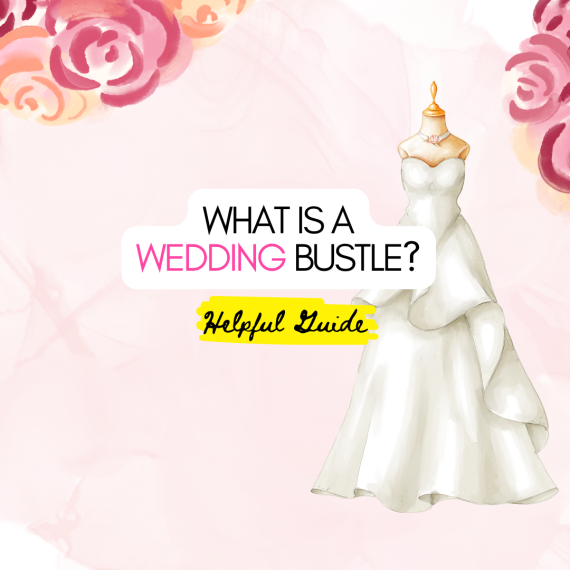
What is a Bustle on a Wedding Dress?
A wedding bustle is a technique used to lift the train of your wedding dress off the ground and secure it so you don’t trip or drag it during the reception. It’s essentially a collection of hooks, ties, or buttons that gather the train at the back of the dress, letting you move easily while still showcasing the beauty of your gown’s design.
Think of it as a practical solution to an otherwise long and flowing train that could trip you up during your wedding. Whether you have a short, sweeping train or a dramatic, cathedral-length train, the bustle ensures that your dress stays in place as you walk, dance, and celebrate your day.
Why is a Bustle Necessary?
If you’ve ever tried to walk around in a wedding dress with a train, you’ll know that the extra fabric can be tricky to manage. While trains are undeniably stunning and lend an air of elegance, they can be impractical when you’re trying to dance or navigate a crowded room.
Here’s where the bustle comes in:
- Keeps Your Dress Clean: Trains can drag on the floor, picking up dirt and debris. A bustle lets you lift it off the ground and avoid any mishaps.
- Allows Freedom of Movement: The last thing you want during your wedding reception is to be stuck adjusting your dress every time you move. A bustle lets you move freely while still looking graceful.
- Preserves Your Dress: Long trains can experience wear and tear if they drag on the floor for hours. Bustling your dress helps preserve the integrity of your gown.
Types of Wedding Bustles
There isn’t just one way to bustle a wedding dress: there are several different bustle styles, each suited to a specific type of dress train. The type of bustle you choose depends on the length and style of your train, as well as the overall look you’re going for. Remember, when in doubt you can always go the bustle bracelet route. It is easy and affordable.
For a traditional option, here are the most popular types of bustles:
1. French Bustle (Under-Bustle)
The French bustle is one of the most elegant and subtle options. It involves gathering the train underneath the dress using a series of hidden loops and ties. The result is a very seamless, soft look where the train is lifted without any visible disruption to the flow of the fabric. This is ideal for dresses with a lot of delicate detailing at the hem.
2. American Bustle (Over-Bustle)
The American bustle is one of the most common bustle types. In this style, the train is gathered and lifted up and fastened with hooks or buttons on top of the gown. This creates a more pronounced, structured look than the French bustle, giving your dress a slightly more voluminous or dramatic appearance. It works well for heavier fabrics like satin and taffeta.
3. Over-Bustle
A variation of the American bustle, this style gathers the train at the back and pulls it up in an over-the-top fashion, making it more visible. The gathered fabric can be arranged in tiers, which creates a more voluminous silhouette. It’s a great option for a wedding dress with a very long, heavy train that needs extra support.
4. Under-Bustle
The under-bustle involves gathering the train under the dress and attaching it to the underside using buttons, hooks, or ties. This keeps the train neatly out of sight and offers a smooth, streamlined look from the front. It’s perfect for dresses with a train that needs to be tucked away in a way that doesn’t detract from the gown’s overall silhouette.
5. Ballroom Bustle
This bustle style is typically used for ball gown wedding dresses, which have full skirts and elaborate trains. The ballroom bustle involves gathering the train and securing it at the back, but it’s done in such a way that you’ll still have ample volume in your skirt. It’s ideal for a dramatic, princess-like look where the fullness of the gown is maintained.
6. Peacock Bustle
Named for its shape, the peacock bustle creates a gorgeous, layered effect at the back of the dress. It involves gathering the train in several places to form a fan-like shape, much like a peacock’s tail feathers. This style works well with gowns that have multiple layers of fabric, and it gives the train a dynamic, voluminous appearance.
How Does a Bustle Work?
When you bustle your wedding dress, the train is essentially lifted and secured to the back of the gown, usually through a combination of buttons, hooks, or loops. These fastening options can be adjusted depending on the style of bustle you’ve chosen. A tailor will typically add the bustle during the final fitting, ensuring it’s neatly done and matches the overall design of your dress.
Tips for Choosing the Right Bustle
- Consider the Fabric: Heavier fabrics like satin or taffeta will require a more robust bustle to support the weight of the train, while lightweight materials like chiffon might need a more delicate bustle.
- Practice Makes Perfect: Make sure to practice bustling your dress before the big day. This is an essential duty of the Maid of Honor. It can take a few tries to get the hang of it, and you don’t want to be stressing over it while you’re trying to enjoy your wedding day.
- Timing Is Key: You’ll need help bustling your dress, usually after the ceremony. Have your Maid of Honor, mom, a trusted bridesmaid, or your wedding planner on hand to help. Some bridal shops even offer bustle services as part of their wedding day packages.
- Consult Your Dress Designer: If you have a very unique or custom gown, it’s a good idea to talk to your designer or seamstress about the best bustling technique for your dress.
Bustle Cost & Alterations
Most wedding gown alterations include adding a bustle, though it may come with an extra charge depending on the complexity of the bustle. A French bustle or ballroom bustle may cost a little more due to the amount of work involved. Expect to pay anywhere from $50 to $200 for the bustle alteration, though prices vary depending on your location and the tailor’s expertise.
Do You Need a Bustle?
It’s really up to you! If you are wearing a reception dress, you will NOT need to bustle your wedding dress. Instead, when you’re ready to dance you’ll change into your second dress and get ready to party!
Conclusion: Bustles Make a Big Difference
The bustle is an essential element of your wedding dress, one that ensures you can enjoy your celebration without worrying about tripping over your train. Whether you go for a simple French bustle or a dramatic peacock bustle, this small alteration can have a huge impact on both your comfort and your gown’s appearance.
So when you’re working with your seamstress or bridal stylist, don’t forget to consider the bustle! It’s a simple yet effective way to make sure your dress looks just as stunning when you’re twirling on the dance floor as it did when you walked down the aisle.
Hope it helps!
xo
Emma
Related Posts:
- Bustle vs. Bracelet: DOs + DONTs of Bustling Your Wedding Dress“>The Ultimate Guide to Choosing the Perfect Bracelet Bustle