

Quick Answer
Choosing between a photographer for a private ceremony or a traditional wedding often comes down to priorities. An elopement focuses entirely on the couple with fewer guests, lower costs, and greater flexibility in location and timing. A traditional one accommodates larger groups, family traditions, and structured events. Consider your values around intimacy, budget, and guest involvement to decide which path feels authentic to your relationship.
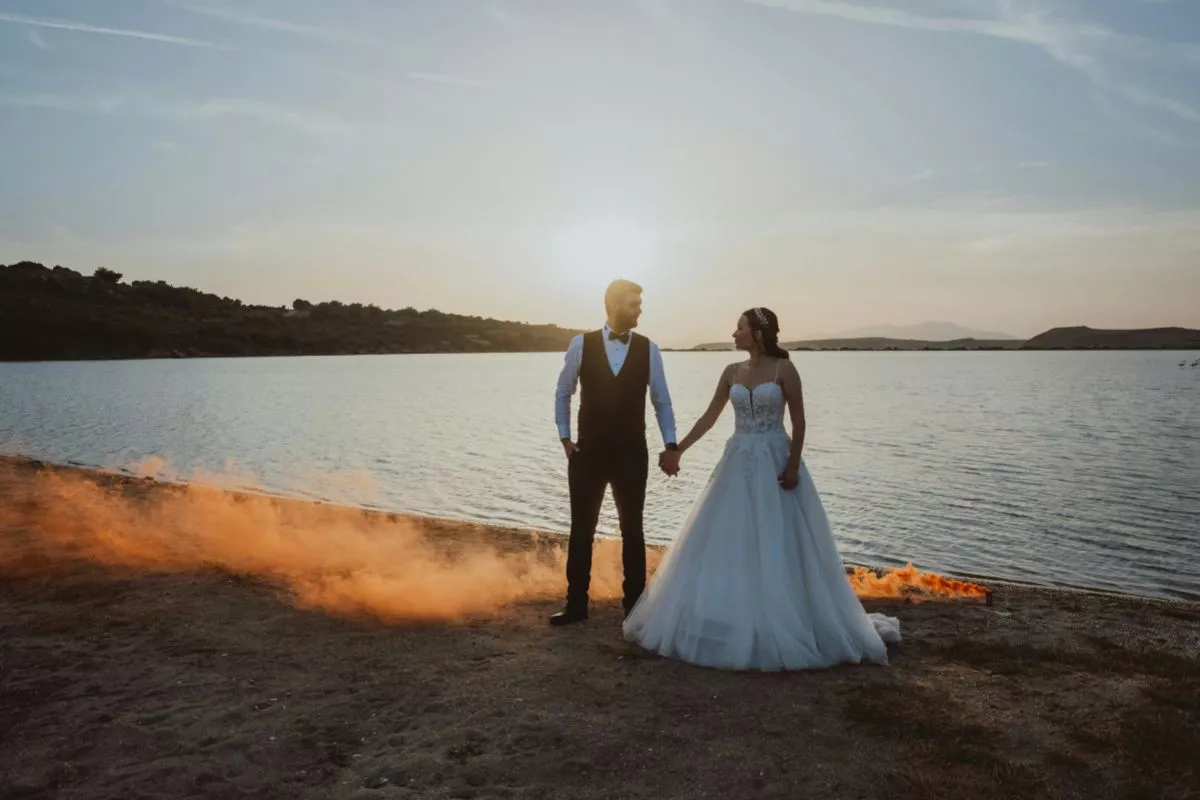
Many couples face the same question after getting engaged: how do they want to begin their married life together? The pressure to host a large celebration with extended family, detailed timelines, and numerous vendors can overshadow the core reason for the commitment. In contrast, some find that a quieter approach allows the day to center on genuine connection rather than logistics.
The reality is that modern celebrations have evolved significantly. Intimate ceremonies now receive the same thoughtful attention to detail as larger events, with professionals who specialize in capturing authentic moments in natural settings. An experienced elopement photographer, such as those at Film & Forest, brings expertise in lighting, composition, and storytelling to preserve the emotion of private vows exchanged against a scenic backdrop.
Couples often weigh factors like personal energy, financial priorities, and the desire to avoid performance-like elements. By examining these aspects carefully, you can select the format that truly honors your partnership and sets the foundation for a memorable start to marriage.
Core Differences Between Elopement and Traditional Wedding
Couples often begin planning with a clear vision of their ideal day, yet the fundamental structure of each format shapes every subsequent decision. An elopement typically involves only the couple, perhaps with one or two witnesses, allowing the entire experience to revolve around their personal connection.
A traditional wedding, by contrast, centers on a larger guest list that includes extended family, friends, and sometimes colleagues, which naturally expands the scope of logistics, venue requirements, and timeline coordination. This distinction influences budget allocation, emotional energy, and even the legal aspects of the ceremony itself.
Scale and Guest Experience
The number of attendees creates the most immediate divergence. Elopements remove the pressure of entertaining dozens or hundreds of people, freeing the couple to focus solely on each other and the officiant.
Traditional ceremonies demand seating charts, meal preferences, dietary accommodations, and often formal reception activities such as speeches and dances. In practice, smaller gatherings permit greater spontaneity while larger ones reinforce community bonds through shared rituals.
Budget and Timeline Implications
Financial priorities shift dramatically between the two paths. Elopements frequently cost significantly less because they eliminate expenses tied to large venues, catering for many guests, and extensive decor. Traditional weddings often require higher investment in coordination services, attire for bridal parties, and professional entertainment.
The result is that one format can feel liberating in its simplicity, whereas the other provides a structured framework for celebrating with a wider circle.
When initial discussions reveal mismatched expectations around guest numbers, schedule a candid conversation focused solely on values before contacting any vendors. This single step prevents costly revisions later.
Key Factors to Evaluate When Choosing Your Path
Once the basic structural differences become clear, couples benefit from systematically assessing personal priorities against each format. This evaluation prevents later regret and aligns the chosen approach with core relationship values. Factors like financial resources, desired emotional atmosphere, and long-term memories all play decisive roles in determining the best fit.
Personal Priorities and Emotional Focus
Intimacy often emerges as the deciding element. When the ceremony centers exclusively on the partnership, couples experience heightened presence and authenticity during vows and first moments as spouses.
Larger gatherings distribute attention across family dynamics, group interactions, and social obligations, which can dilute personal connection but strengthen communal support. In practice, reflect on whether you prefer quiet vulnerability or shared celebration with a broader network.
Financial and Logistical Realities
Budget constraints frequently guide the decision. Elopements redirect funds toward high-quality elements such as travel, attire, or professional documentation rather than spreading costs across catering, rentals, and favors. Traditional events require careful allocation to accommodate guest needs, often leading to compromises elsewhere.
Timeline pressure also varies, with one option allowing spontaneous planning and the other demanding structured coordination months in advance.
Here is a side-by-side comparison of common evaluation criteria:
| Factor | Elopement Approach | Traditional Approach |
|---|---|---|
| Primary focus | Couple’s intimate connection | Community celebration and family traditions |
| Average cost range | Lower overall, concentrated on key elements | Higher total, distributed across many vendors |
| Planning timeline | Weeks to months, highly flexible | 12–18 months typical, rigid schedules |
| Location options | Scenic, remote, or meaningful places | Venues with capacity and amenities |
| Emotional energy | Relaxed, present-focused | High-energy, performance-oriented |
| Guest involvement | Minimal or none | Extensive coordination required |
Beyond the basics, consider how each path influences the resulting photographs. Elopements emphasize candid, landscape-integrated portraits with natural light and unscripted interactions. Traditional weddings incorporate group compositions, formal posing, and multi-hour coverage of events like receptions. Selecting the right professional becomes essential to match the chosen style.
Capturing the Day: Photography Considerations for Each Option
Photography serves as the primary lasting record of the ceremony, regardless of format, yet the approach shifts considerably based on scale and intent. Professionals adapt techniques to highlight either private emotional depth or broader group dynamics. Understanding these nuances helps couples select coverage that preserves the day’s authentic essence without artificial staging.
Style and Coverage Differences
In smaller ceremonies, images naturally emphasize unposed interactions, environmental integration, and subtle expressions exchanged between partners. Coverage often spans fewer hours but allows extended time in meaningful locations, incorporating movement through landscapes during golden hour or twilight.
Larger events require management of multiple group configurations, formal portraits, and timeline-driven coverage of sequential activities from preparation through reception. The emphasis moves toward documenting social moments alongside personal ones.
Technical and Creative Priorities
Lighting plays a pivotal role in both, though conditions differ. Natural settings demand weather-resistant gear and knowledge of directional light in outdoor environments, while venue-based events may involve supplemental lighting for indoor spaces or evening receptions.
Composition in intimate formats leans toward wide environmental portraits that place the couple within dramatic scenery, whereas traditional coverage balances detail shots of décor, rings, and candid guest reactions.
Consider these essential photography aspects when comparing options:
- Session length: Elopement coverage typically 4–8 hours focused on couple versus traditional wedding 8–12+ hours including full timeline.
- Image volume: Elopement delivers 150–300 edited images emphasizing quality over quantity versus traditional often 500+ capturing varied events.
- Posing style: Predominantly candid and directed movement in elopement versus mix of posed groups and formals in traditional.
- Location scouting: Critical for elopement to maximize scenic potential versus venue-constrained for traditional.
- Editing approach: Storytelling through atmospheric, film-like tones suits intimate moments versus consistent traditional album flow.
The final photographs should reflect the emotional tone you prioritize, whether serene connection in nature or joyful gathering with loved ones. An experienced Banff elopement photographer excels at translating private vows into timeless visuals that feel deeply personal and place-specific.
Deciding Your Ideal Celebration Path
Reflect on the factors that surfaced during planning: emotional focus, financial comfort, logistical ease, and the type of memories you wish to carry forward. Many couples find clarity by ranking these elements honestly and testing how each format supports them. The decision becomes straightforward once aligned with core values.
In the end, the photographs will preserve whatever tone you select. Whether through candid moments in nature or structured group celebrations, an experienced elopement photographer can capture the authentic heart of your day in a way that feels timeless and true to who you are.
This is a guest post.