

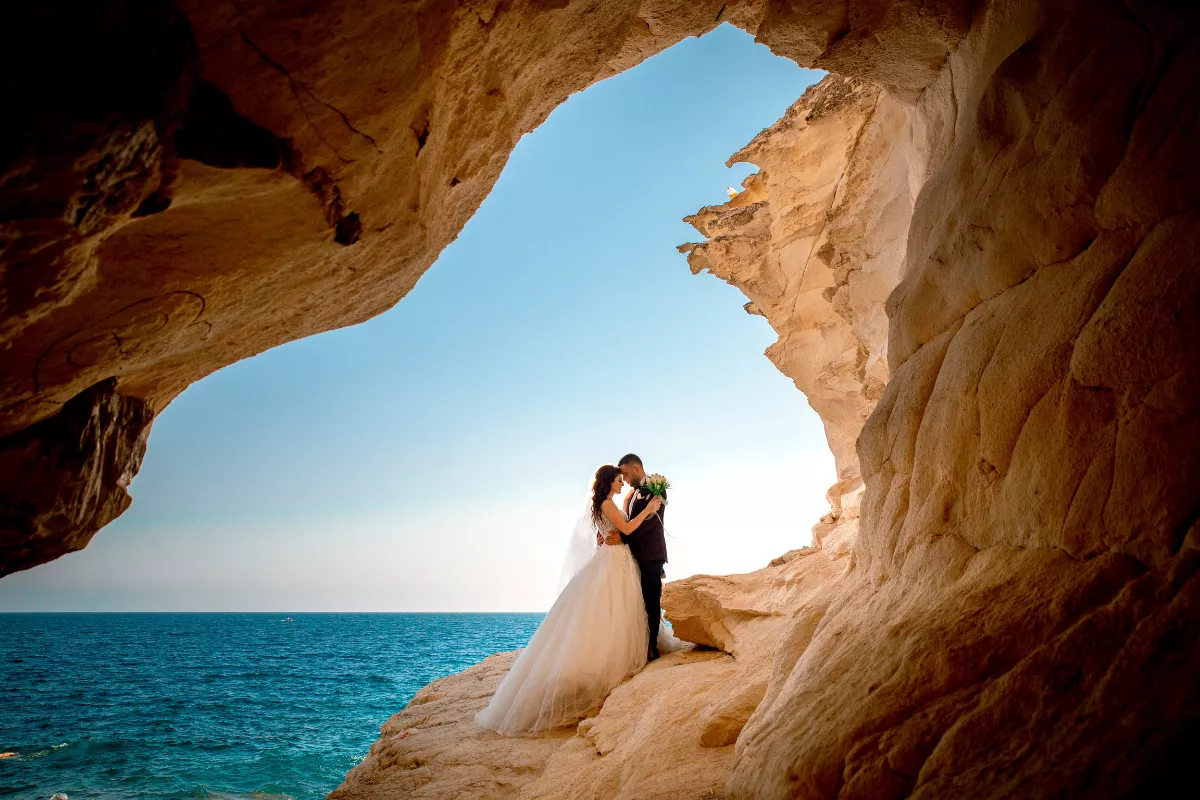
Many couples spend months planning honeymoons around ambitious itineraries, luxury excursions, packed schedules, and once-in-a-lifetime experiences. While exciting activities still create memorable moments, many travelers eventually realize that the most appreciated parts of the trip are often the quieter comfort details that make the entire experience feel easier and more relaxing overall.
Long travel days, changing climates, crowded tourist destinations, and physically demanding schedules can quickly become exhausting, especially after the stress of wedding planning itself. Because of this, couples increasingly value comfort, recovery, and slower routines during honeymoons instead of trying to maximize every hour with nonstop activity.
Over time, many newlyweds remember the calm evenings, comfortable environments, and effortless moments together just as strongly as the expensive excursions planned months in advance.
Privacy Often Matters More Than Packed Schedules
One thing many couples discover quickly during honeymoons is that constant activity can become surprisingly draining. Flights, transportation, crowded attractions, restaurant reservations, and tightly planned itineraries sometimes leave little room for actual relaxation together.
This is why private and slower experiences often become more meaningful than heavily scheduled tourist activities. Couples frequently appreciate accommodations that allow them to step away from crowds and enjoy quieter moments without pressure to constantly move from one experience to the next.
Wellness-focused outdoor spaces like 3 person outdoor sauna setups naturally fit into this type of slower travel atmosphere because many couples begin prioritizing recovery, comfort, and uninterrupted downtime during romantic trips.
The ability to relax privately often becomes more valuable after long days filled with travel, sightseeing, or social activity.
Comfortable Swimwear Changes the Entire Travel Experience
Many honeymoon destinations revolve heavily around beaches, pools, spas, and warm-weather environments. Because of this, swimwear comfort tends to affect daily enjoyment much more than people initially expect.
Couples often spend long hours outdoors moving between swimming, walking, dining, relaxing, and sightseeing without returning to their rooms constantly. Swimwear that feels supportive and comfortable throughout the day therefore becomes far more important than styles chosen only for appearance.
This is one reason many travelers begin appreciating underwired swimsuit collections during longer resort stays or beach-heavy itineraries where comfort, structure, and confidence matter throughout full days outdoors.
The longer couples spend outside during vacations, the more they tend to prioritize clothing that feels physically comfortable instead of restrictive or high-maintenance.
Slower Evenings Usually Become the Most Memorable Moments
Interestingly, many honeymoon memories are created during the quieter parts of the trip rather than the busiest ones. Sitting outdoors after dinner, watching sunsets, spending time near water, relaxing privately, or simply slowing down together often leaves a stronger emotional impression than tightly scheduled activities.
This usually happens because weddings themselves are already emotionally and physically overwhelming. By the time the honeymoon begins, many couples are mentally exhausted and craving recovery more than stimulation.
As a result, calmer nighttime routines often become unexpectedly meaningful. Comfortable accommodations, quieter environments, and slower pacing allow couples to actually enjoy being together without constantly thinking about schedules or logistics.
The emotional atmosphere of the trip frequently matters much more than the number of expensive activities completed.
Recovery Starts Feeling More Important During Longer Trips
Many couples underestimate how physically tiring travel can become, especially when combined with wedding stress, disrupted sleep, flights, weather changes, and constant social interaction. Even exciting destinations can eventually create fatigue if schedules remain too packed every day.
This is why recovery-focused details become increasingly valuable as the honeymoon continues. Comfortable seating, wellness spaces, better sleep environments, shaded outdoor areas, and quieter mornings often affect the overall experience more strongly than expected.
People generally enjoy travel much more when they feel physically rested. Overloaded itineraries may initially sound exciting, but exhaustion often reduces enjoyment significantly after several consecutive busy days.
Couples who leave room for slower recovery moments usually describe their honeymoons as feeling more balanced and emotionally enjoyable overall.
Simple Comforts Often Feel More Luxurious Than Formal Luxury
One interesting pattern in honeymoon travel is that many couples eventually appreciate simple comforts more than highly formal luxury experiences. Fresh air, quiet mornings, soft lighting, calm beaches, comfortable clothing, and slower evenings often create stronger feelings of relaxation than heavily structured luxury environments.
This reflects a broader shift in how people approach travel generally. Instead of trying to impress others or maximize social media moments constantly, many couples now prioritize emotional comfort and personal enjoyment much more intentionally.
Travel experiences feel far more memorable when people are physically comfortable and mentally relaxed enough to enjoy them fully. Small frustrations like uncomfortable clothing, crowded schedules, or lack of downtime can quietly affect the entire atmosphere of the trip over time.
The most appreciated honeymoon details are often the ones that remove stress instead of adding more stimulation.
Couples Often Remember How the Trip Felt Most
After honeymoons end, couples frequently remember the emotional tone of the experience more strongly than the specific excursions themselves. Feeling rested, connected, relaxed, and comfortable together usually matters far more long term than checking off every possible tourist activity.
This is why thoughtful comfort details often shape the overall trip so heavily. Privacy, supportive accommodations, physical comfort, slower pacing, and recovery-friendly environments help create experiences that feel emotionally sustainable instead of exhausting.
As travel trends continue shifting toward wellness and slower routines, more couples are realizing that the best honeymoon experiences are not always the busiest or most expensive ones. In many cases, the most meaningful moments come from simple environments that allow people to fully relax and enjoy each other’s company without constant pressure or overstimulation.
This is a guest post.