

A tuxedo isn’t just a tuxedo. The same cut that looks razor-sharp at a black-tie gala in January will have you drenched by July, especially if that July event is an outdoor rooftop reception in Manhattan with no breeze and a hundred bodies packed onto a terrace. The opposite holds true too: show up in summer-weight fabric to a snowy winter evening at a Midtown ballroom, and you’ll look under-dressed the moment you take off your coat.
If you’re planning to attend an event in NYC, season matters far more in formal attire than most realize, since New York’s climate makes the gap wider than most cities. The city runs humid with sticky summers, and then there are cold, damp winters, with very little gentle in-between. If you’ve spent even one August evening drowning in wool at a Brooklyn rooftop wedding, you already understand the problem.
The good news: it’s not complicated to solve. When it comes to tuxedo options in NYC for formal events, three elements handle the entire equation: fabric weight, how the jacket’s constructed, and the accessories you pair with it. Get these right, and your tuxedo stops being something you tolerate and becomes something you actually wear with confidence, whether it’s a rooftop reception in July or a winter ballroom gala in January. Here’s what to wear.
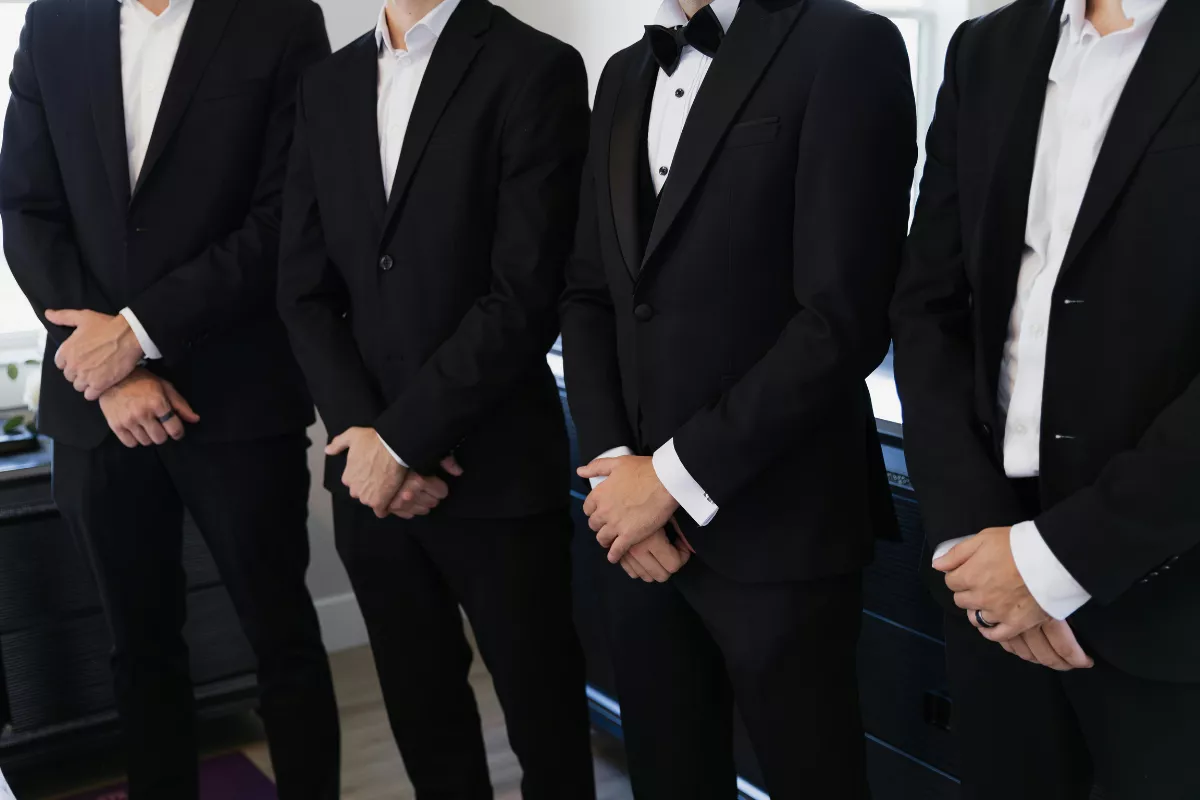
Fabric Is Where Seasonal Tuxedo Choices Begin
Your fabric choice determines how a tuxedo actually performs in New York’s climate, not just how it looks in photos. Guys who go the bespoke route to get custom tuxedos in NYC get to nail down the exact fabric weight from the start, which is honestly the most direct way to solve the season question before any stitching happens. Summer calls for breathable materials that can handle a humid subway platform and a non-air-conditioned outdoor tent without wilting. Winter demands something with enough substance to hold its shape and keep you warm walking between a cab and a venue entrance in freezing wind. It’s not just comfort, either. The way heavier fabrics drape is completely different, and that visual weight matters in formal settings. A lightweight linen jacket can look intentionally crisp at an outdoor summer wedding in the Hudson Valley or a Brooklyn garden venue, but at a December ballroom on Park Avenue, it reads as under-dressed. Heavy wool does the opposite: perfect for cold months, but stiff and oppressive the moment temperatures climb. Men who go the bespoke route for custom tuxedos here in NYC get to lock in the exact fabric weight from the start, which is the most direct way to solve the season question before any stitching happens.
Summer Tuxedo Fabrics: Breathable, Light, and Structured
Three fabrics deserve your attention for warm-weather events in the city: lightweight wool, linen, and cotton.
Tropical-weight wool (around 7 to 9 ounces) stays breathable without sacrificing the clean drape that formal occasions need, and it’s the most versatile choice for a New York summer because it still reads as proper formal wear even at a more traditional indoor venue.
Linen breathes even better and has a subtle texture that works beautifully at outdoor weddings, rooftop parties, and summer galas around the city, where the setting’s relaxed but the dress code stays black-tie or black-tie optional.
Cotton shows up less often in tuxedo work but fits more casual formal situations, like a summer engagement party.
What to Skip in a New York Summer: Heavy wool flannel, cashmere blends, thick tweed. Those fabrics exist to trap heat, and they’ll work against you the moment you step outside into the humidity.
Winter Tuxedo Fabrics: Weight, Warmth, and Visual Depth
Winter formal wear in New York needs fabric density, both for warmth and to hold its shape through hours in a climate-controlled ballroom. A mid-weight to heavy wool (11 to 14 ounces) drapes with authority and won’t shift around during a long evening indoors. Barathea wool is the go-to for winter tuxedos here; it’s tightly woven, holds its structure, and has a subtle texture that catches light beautifully under ballroom chandeliers.
Velvet is another solid pick for winter, especially in a dinner jacket cut, and it reads as deliberately festive at holiday galas or New Year’s events around the city. Cashmere blends deserve consideration if you want warmth plus softness, though they’ll hit your wallet harder. The real thing with winter fabrics is this: the extra weight should feel intentional, not burdensome. A well-made tuxedo in the right wool sits on your shoulders without dragging you down, even after a night that starts with cocktails and ends closer to midnight.
Cut and Construction Shift Between Seasons
Fabric matters first, but how a tuxedo’s cut and build shift internally between seasons too. And here’s where a lot of men get blindsided: the underlying construction of a jacket shapes both comfort and how the garment moves throughout the night, which matters more in a city where you’re likely walking between a cab, a venue, and possibly a second location.
Summer Cuts: Minimal Lining, More Room to Move
Summer jackets do better with half-lining or quarter-lining instead of full lining. Full lining traps heat against your chest, which is the last thing you want on a humid August night in the city. A half-lined jacket leaves the back panels open, so air moves as you walk around a crowded reception. The summer silhouette tends toward a slightly shorter jacket and a cleaner chest, with fewer canvassed layers between the outer fabric and your body.
Single-button styles are common in summer formal wear; they sit more open at the chest. Trousers might have a wider leg opening to let air flow without breaking the formal line. The result: a jacket that looks just as sharp standing still on a rooftop as it does walking through a crowded room, but doesn’t cook you while you’re working it.
Winter Cuts: Full Canvas, Full Lining, More Coverage
Winter tuxedos lean on full lining plus full canvas in the chest. Canvas, a woven layer stitched between the shell and the lining, shapes your chest and lets the jacket mold to your body over time. In cold New York settings, that padding also provides a bit of extra warmth for the walk in from the street. Winter silhouettes tend to run longer through the body and closer at the shoulders, for a more formal, architectural look that suits a Midtown ballroom or a historic estate venue upstate. Double-breasted styles fit winter particularly well; they close off more of your chest and carry a heavier visual presence. Trousers get cut narrower at the break, with heavier fabric to match the jacket’s heft. If your event means moving between venues or spending real time outside, factor in an overcoat rather than layering something under the tuxedo itself.
Conclusion
In closing, how should a tuxedo differ for summer versus winter events in New York? Start with the fabric: breathable and light for warm months, dense and substantial for cold ones. Then move to construction: minimal lining and a clean cut for summer, full canvas and full lining for winter.
Once you have that figured, add accessories: lighter shirts and open shoes in summer, heavier pocket squares and more layered touches when it’s cold. You’ll be dressing for the season with intention, and in a city with weather as extreme in both directions as New York, that intention shows. A tuxedo built for the conditions you’ll actually face is more comfortable, looks sharper, and signals the kind of care that formal events here recognize. Start thinking about fabric, cut, fit, and season early, and you’ll avoid scrambling the week before your event.
This is a guest post.