
You know what nobody tells you about weddings when it comes to a seating chart or no seating chart wedding debate?
A no seating chart wedding sounds relaxed on paper… until guests actually walk into the reception and realize they have absolutely no idea where they’re supposed to sit.
Couples usually picture open seating feeling relaxed, easy, and effortless. Everyone grabs a cocktail, mingles naturally, and casually settles in wherever they want. But in real life, it can quickly turn into guests awkwardly circling tables holding purses, jackets, and dinner plates while asking, “Is this seat taken?” every thirty seconds.
Meanwhile, someone’s aunt is saving six chairs with a coat, one couple accidentally gets separated, and your college roommate is standing alone trying to figure out where she fits in.
And honestly? A lot of guests secretly hate open seating. It’s not because they want a super formal wedding. Most people just don’t love uncertainty, especially in social situations.
And here’s the part couples don’t think about until it’s happening in real time: the first 10 minutes of your reception can either feel calm and organized… or like a silent game of musical chairs nobody planned for. 😳
Open seating tends to feel the most stressful for guests who:
- Only know a few people at the wedding
- Arrived a little late
- Are naturally introverted
- Have social anxiety
- Don’t want to accidentally sit somewhere “reserved”
- Came alone and already feel slightly uncomfortable
That doesn’t mean every wedding suddenly needs a giant alphabetized seating chart with assigned chairs and color-coded place cards. But most weddings do benefit from some kind of seating plan, even if it’s just assigning tables.
And honestly? Guests usually appreciate it way more than couples realize. In this blog post, we’ll tackle both sides so you can decide if a seating chart is right for your wedding.
If you’ve decided a seating chart is right for your wedding, our complete guide to wedding seating charts has ideas, planning tips, display options, and everything else you need to know.
Table of Contents
- Quick Answer: Do You Need a Seating Chart?
- When You Definitely Need a Seating Chart
- When You Can Skip the Seating Chart
- Assigned Tables vs Assigned Seats
- Biggest Seating Chart Mistakes
- Frequently Asked Questions
If you’re still deciding on overall wedding flow, you may also like: what happens when you skip a seating chart entirely.
Seating Chart or No Seating Chart Wedding: The Quick Answer
Most weddings do better with assigned tables (not necessarily assigned seats). Once you’re over about 50 guests, a seating plan helps everything run smoother, reduces guest confusion, and makes dinner service easier.
Simple rule of thumb: If your guests don’t all know each other well, you probably need at least assigned tables. If your wedding is under ~40 people and very casual, you can usually skip it.
I’ve seen weddings where everything else was perfect, the florals, the music, the food, but guests spent the first part of dinner wandering around unsure where to sit. It’s one of those tiny details that doesn’t show up in photos, but absolutely changes the energy in the room.
For most modern weddings, the sweet spot is:
- Assigned tables
- Open seating at each table
- No individually assigned chairs
You still get flexibility and a relaxed atmosphere, but without the chaos of guests wandering around trying to claim seats before dinner starts. It’s organized (without feeling stiff). That’s the goal here.
When You Definitely Need a Wedding Seating Chart
If you’re deciding between a seating chart or no seating chart wedding, most weddings are happier with assigned tables instead of full open seating.
You’re Having a Large Wedding
The bigger the guest list gets, the harder it becomes for people to naturally sort themselves out.
► At a smaller wedding, guests can usually figure it out on their own without much issue.
► At a larger wedding, things get chaotic fast.
People start saving chairs, dragging seats between tables, splitting couples apart accidentally, and leaving random single seats scattered everywhere that nobody wants to take.
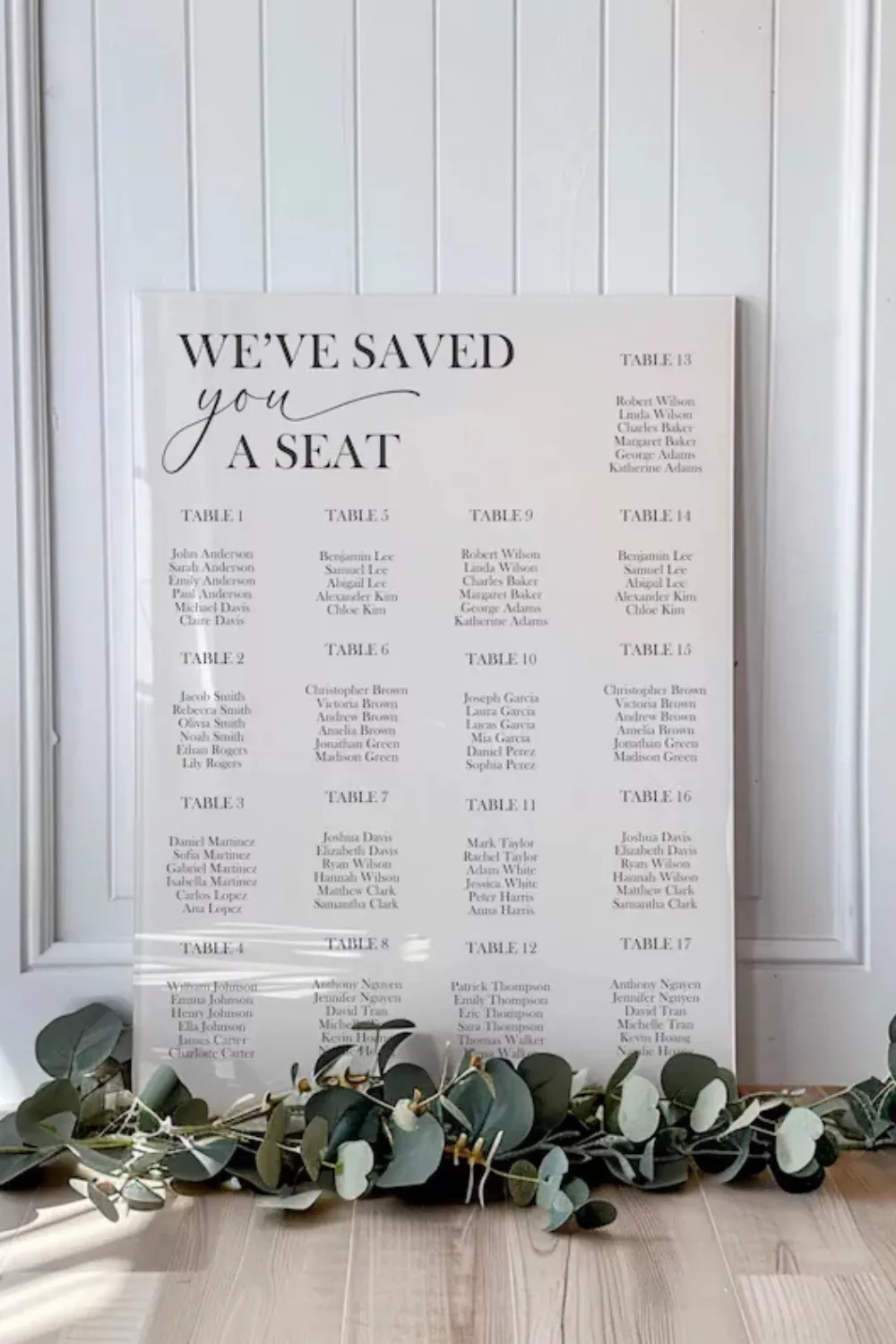
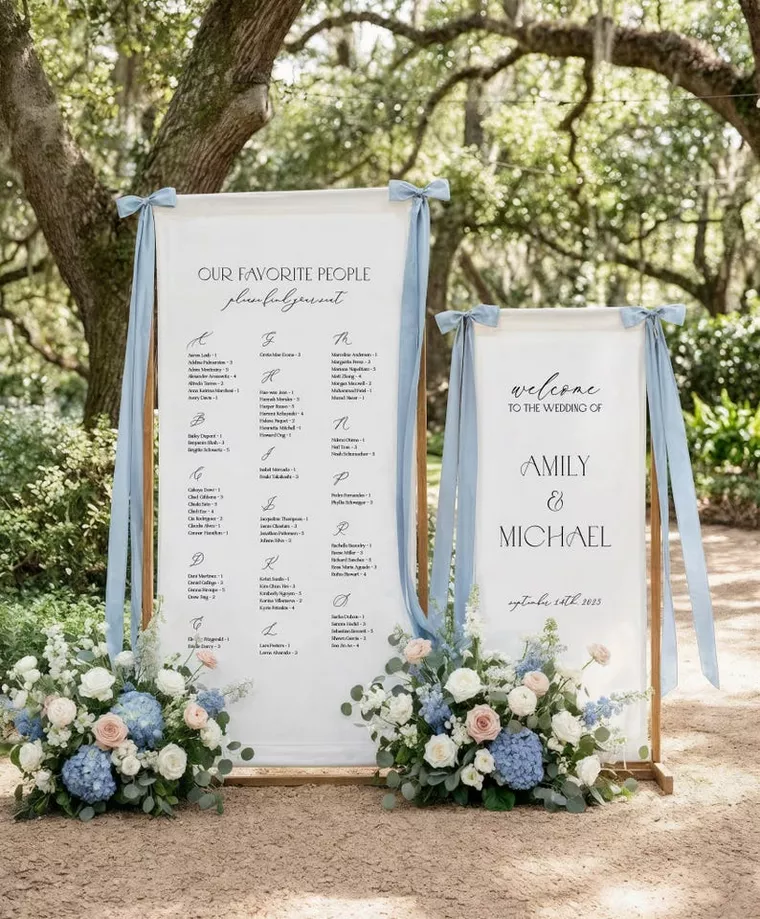
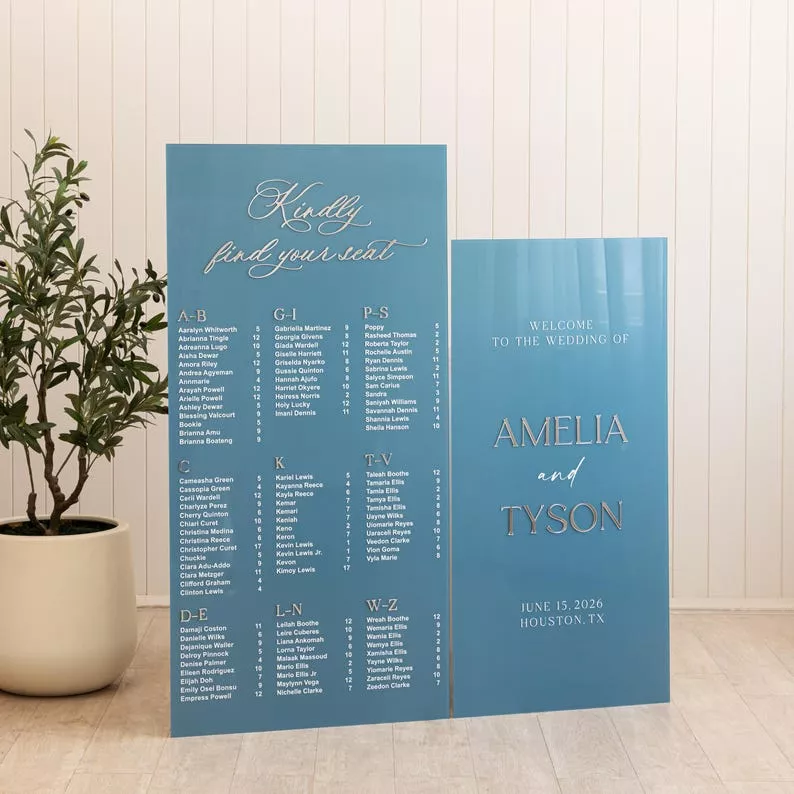
A seating chart immediately removes that confusion and makes the room feel more settled and intentional from the start. Some seating charts – like this one from ArtistryGiftRey – even include a welcome sign for a perfectly warm welcome when guests enter the room.
You’re Serving a Plated Dinner
If guests have pre-selected meals, your caterer needs some level of organization (and place cards with meal selection).
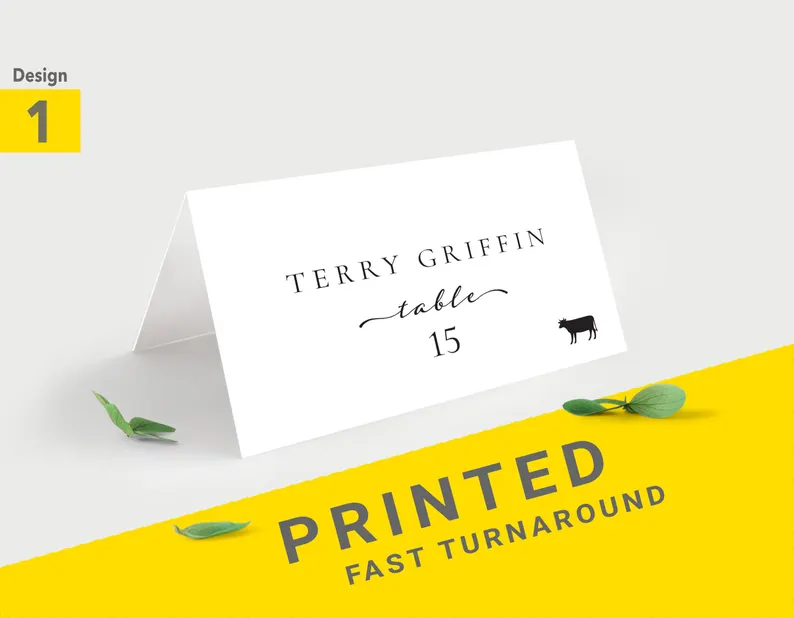
Without assigned tables, dinner service slows down quickly because servers are trying to track meal choices while guests continuously move around the room. Plated dinners almost always work better with assigned seating arrangements.
Buffet weddings are usually much more flexible.
► Need seating chart ideas? Check out wedding seating chart ideas for inspo.
Your Families Require a Little Strategic Planning
Sometimes a seating chart is less about organization and more about diplomacy.
Maybe your divorced parents don’t exactly love sitting together. Maybe there are relatives who haven’t spoken in years. Maybe there’s one person who somehow creates tension at every family gathering and absolutely cannot be placed near another specific person.
A seating chart helps you quietly manage those dynamics before they turn awkward in front of 100 people.
And honestly, almost every wedding has at least a little bit of this.
Guests Don’t Know Many People
Open seating sounds fun until guests realize they don’t actually know where they fit in.
Assigned tables help people settle in faster, feel included immediately, and avoid that awkward “where do I go?” feeling that can happen at large receptions.
It also helps conversations flow more naturally because you can intentionally group guests with people they’ll genuinely connect with.
You Have Older Guests or Accessibility Concerns
Some guests genuinely need easier seating access, quieter tables, or simpler paths around the room.
Grandparents probably shouldn’t be seated directly beside giant DJ speakers. Guests with mobility concerns may need easier access to exits or restrooms.
These little details may seem small while planning, but they make a huge difference in how comfortable guests actually feel throughout the night.
When You Can Skip the Seating Chart
Not every wedding needs assigned seating.
There are absolutely weddings where open seating works beautifully, especially when the entire reception is designed to feel casual, flexible, and social from the beginning.
A true no seating chart wedding option works best in very small or highly casual receptions where guests already know each other well. Here are some examples.
Small Weddings
If you’re having fewer than 40 guests and most people already know each other, guests can usually find seats naturally without much stress or confusion.
Cocktail-Style Receptions
If your reception includes lounge furniture, standing cocktail tables, grazing stations, or a heavy focus on mingling, a formal seating chart may feel unnecessary.
Guests are moving around all night anyway, so rigid seating can actually feel less natural in that environment.
Not sure if your reception fits that vibe? You might also like this breakdown of a completely no seating chart wedding setup and when it actually works.
Backyard Weddings
Casual backyard weddings often feel more comfortable without strict seating assignments.
Just make sure there are enough tables and chairs for everyone because this is one of the biggest mistakes couples make with open seating. People get uncomfortable fast when they’re balancing dinner plates with nowhere to actually sit.
Brunch Weddings
Morning weddings naturally feel more relaxed than formal evening receptions.
Open seating tends to work better for brunch weddings because the atmosphere is already lighter and more casual overall.
What Wedding Guests Actually Prefer
Most guests prefer assigned tables.
Not because they’re desperate for structure.
Because they don’t want to feel awkward.
Walking into a reception and instantly knowing where to go feels easier for almost everyone, especially guests who are naturally quieter, attending alone, or already slightly outside their comfort zone socially.
And the reality is this: open seating often feels most stressful for the exact guests who are already the most uncomfortable walking into a big social event.
That’s why assigned tables usually create a smoother guest experience overall, even at weddings that are otherwise casual and relaxed.
Assigned Tables vs Assigned Seats
A lot of couples think they only have two choices:
- Total open seating
- Ultra-formal assigned chairs
But there’s actually a middle option that works beautifully for most weddings: assigned tables.
Assigned Tables
Guests are assigned to a table, but they can choose any seat at that table.
This is by far the most popular setup because it gives guests flexibility while still keeping the reception organized.
Assigned Seats
Every guest has a specific chair assignment. You’ll need place cards for this option.
This setup usually works best for:
- Very formal weddings
- Complicated family dynamics
- Luxury receptions
- Multi-course plated dinners
- Highly structured dinner service
For the vast majority of weddings, assigned tables are more than enough.
Think of it this way: assigned tables guide guests to the right group, while assigned seats guide them to the exact chair. Most weddings only need the first level.
► If you want to go deeper into structured seating layouts, this guide on how to make a wedding seating chart walks through the actual setup process step by step.
The Biggest Seating Chart Mistakes Couples Make
Forcing Random Guests Together
Guests should know at least a few people at their table whenever possible.
Trying too hard to “mix everyone up” sometimes backfires and creates awkward social energy instead of fun conversation.
Putting Older Guests Beside the DJ
This happens constantly.
The dance floor may seem exciting while planning, but not everyone wants to sit directly beside booming speakers for four straight hours.
Creating a Singles Table
Don’t do this! A “singles table” almost always sounds better in theory than it feels in real life.
Seat single guests with friends, cousins, or naturally compatible groups instead.
Waiting Until the Last Minute
The longer you avoid the seating chart, the harder it becomes mentally.
Start rough groupings early and adjust once final RSVPs come in.
Frequently Asked Questions
Is it rude not to have a seating chart at a wedding?
No, especially for smaller or more casual weddings. But for larger receptions, guests usually feel more comfortable when tables are assigned because it removes uncertainty and helps dinner flow more smoothly.
Do guests prefer assigned seating at weddings?
Most guests prefer assigned tables because it makes the reception feel more organized and less awkward. Guests don’t have to worry about where to sit, whether seats are saved, or accidentally separating from their group.
Can you skip a seating chart for a buffet wedding?
Yes. Buffet weddings are generally more flexible than plated dinners and often work well with open seating, especially for smaller guest lists or casual receptions.
Do you need assigned seats or just assigned tables?
Most weddings only need assigned tables. Assigned seats are usually reserved for formal receptions, complicated family dynamics, or multi-course plated dinners.
What is the easiest wedding seating option?
Assigned tables with open seating at each table is usually the easiest and most guest-friendly option for modern weddings because it balances organization with flexibility.
How many guests should you have before using a seating chart?
Most weddings with more than 50 guests benefit from some type of seating chart or assigned table setup to help guests find seats quickly and avoid confusion during dinner.
The Bottom Line: Should You Have a Seating Chart at Your Wedding?
When it comes to a seating chart or no seating chart at a wedding, the decision usually comes down to guest familiarity, meal style, and how structured you want the flow of the evening to feel.
For most weddings, yes… at least some version of one.
You probably don’t need individually assigned seats unless your wedding is especially formal or logistically complicated. But assigned tables make the experience easier for guests, easier for vendors, and honestly easier for you.
Because the truth is, guests don’t remember whether you had the “perfect” seating chart. They remember whether they felt comfortable the moment they walked in.
And sometimes the smallest details are the ones people remember most! ✨
► Still deciding what fits your wedding? Browse more planning guides in our wedding planning hub for layout ideas, guest flow tips, and reception inspiration.
Happy Planning!
xo
Emma