

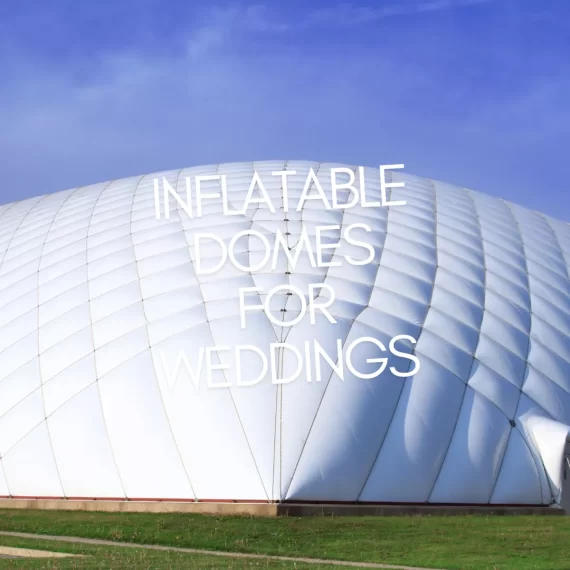
Event planners today face a common challenge: they need flexible spaces that work for different types of events without breaking the budget. Traditional tents have been the go-to choice for years, but they come with limits. Inflatable domes now offer a better option because they set up faster, cost less, and create more memorable spaces than traditional event tents. These modern structures have changed what’s possible for outdoor and indoor events.
You might wonder what makes these domes so different from the tents you’ve seen at weddings and festivals. The answer lies in their design and function, as an easy to install inflatable dome can be ready in just a few hours—much faster than the full day or more that traditional tents often require. They also stand up better to weather, look more unique, and give you more control over the environment inside.
The shift from traditional tents to inflatable domes reflects what modern events need. Whether you plan corporate meetings, music festivals, or product launches, these structures offer real advantages that matter for your bottom line and your guests’ experience.
Key Takeaways
- Inflatable domes set up faster and cost less than traditional event tents
- These structures work well in various weather conditions and create better guest experiences
- Event planners can customize inflatable domes for different event types and locations
Key Reasons Inflatable Domes Outperform Traditional Event Tents
Inflatable domes deliver clear advantages over traditional event tents through their strong weather protection, fast installation process, adaptable design options, and lower overall costs. These benefits make them a practical choice for event planners who need dependable structures that work across different settings.
Superior Weather Resistance and Durability
An inflatable dome provides better protection against harsh weather conditions than standard event tents. The dome’s curved shape naturally sheds rain and snow, which prevents water from pooling on the roof. This design also reduces wind resistance because air flows smoothly around the structure rather than creates pressure against flat surfaces.
The materials used in these structures can withstand heavy rain, strong winds, and temperature extremes. Most inflatable domes use reinforced PVC or similar fabrics that resist tears and punctures. Traditional event tents often rely on poles and stakes that can bend or break under severe weather stress.
The anchoring system for an inflatable dome tent distributes weight evenly across multiple points. This creates a stable base that stays secure even in windy conditions. You can maintain proper air pressure through continuous inflation systems that automatically adjust to external conditions. An air pump keeps the structure firm without constant manual intervention.
The durability extends to repeated use as well. You can set up and take down these structures many times without wear on mechanical joints or connections. Traditional tents require more maintenance on poles, joints, and fabric attachment points that experience stress with each setup.
Rapid and Simple Setup Process
Quick setup stands out as one of the most practical benefits of inflatable structures. You can inflate a medium-sized inflatable dome tent in under an hour with a small team. Traditional event tents of similar size require several hours and more workers to assemble poles, attach fabric panels, and secure everything properly.
The process requires minimal technical knowledge. You connect the air pump, secure the anchoring points, and let the structure inflate. Traditional tents demand precise pole assembly, correct tension on guy lines, and proper stake placement. Each step creates opportunities for errors that slow down installation.
You need fewer crew members for the entire process. Two or three people can handle most inflatable dome installations, while traditional tents often need four to six workers for comparable sizes. This reduces labor costs and makes last-minute venue changes more practical.
The teardown process follows the same simple pattern. You deflate the structure, fold it, and pack it for transport. This takes a fraction of the time needed to disassemble traditional tent frameworks. For multi-day events or situations where you need to move between locations, this efficiency saves significant time and effort.
Enhanced Flexibility and Versatility for Events
The design flexibility of an inflatable dome allows you to adapt the space to different event types. You can customize the interior layout without structural columns or support poles that limit floor space. This open design works well for everything from corporate conferences to music festivals.
These structures work equally well as indoor or outdoor event solutions. You can set them up in parking lots, parks, indoor arenas, or even on rooftops. Traditional event tents typically need flat ground and sufficient clearance for guy lines, which limits where you can place them.
Size options range from small domes that accommodate dozens of people to large structures that hold thousands. You can also connect multiple domes to create unique event layouts. This scalability helps you match the event structure precisely to your attendance expectations without paying for unused space.
The exterior surface accepts custom printing, projection mapping, and lighting effects. You can brand the entire structure with logos, colors, or messages that make your event memorable. Traditional tents offer limited branding opportunities beyond banners and signs attached to standard frame structures.
Cost-Effectiveness and Sustainability
The financial advantages of inflatable domes become clear across both short-term and long-term use. Initial purchase or rental costs often come in lower than traditional tents of equivalent size. You also save money on transportation because these structures pack down to a fraction of their inflated volume.
Labor costs drop substantially due to faster setup and smaller crew requirements. You spend less on equipment rental too, since you don’t need forklifts, scaffolding, or specialized tools that traditional tent installation often requires. The reduction in setup time also means you can access your venue space sooner.
Energy efficiency contributes to lower operational costs. Modern inflatable structures use insulated materials that maintain comfortable temperatures with less heating or cooling. The sealed environment prevents drafts and reduces energy waste compared to open-sided or poorly sealed traditional tents.
These structures also support sustainability goals through reusable materials and reduced waste. You can use the same inflatable dome tent for dozens of events without replacing components. The materials used in most inflatable structures can be recycled at the end of their service life. Traditional tents generate more waste through worn fabric, broken poles, and damaged connection hardware that needs regular replacement.
Usage Scenarios and Event Applications for Inflatable Domes
Inflatable domes serve multiple event types with distinct advantages for each application. Corporate functions benefit from customizable spaces that reflect brand identity, while festivals gain weather-resistant venues that accommodate large crowds and live performances. Trade shows and exhibitions utilize these structures to create memorable displays that stand out from traditional booth setups.
Corporate Functions and Brand Activations
You can transform your corporate event with inflatable domes that offer flexible space for product launches, team meetings, and client presentations. These structures allow you to create immersive brand experiences that traditional venues cannot match. The customizable nature of giant inflatable dome designs means you can incorporate your company colors, logos, and specific design elements directly into the structure itself.
Brand activations particularly benefit from inflatable domes because they draw attention and create shareable moments for social media. You can set up interactive zones inside the dome where customers engage with your products in memorable ways. The rapid setup time means you can deploy these structures at multiple locations throughout a campaign without massive logistical challenges.
Your outdoor event becomes more manageable with inflatable domes that protect against unexpected weather while maintaining an open, airy feel. You control the internal environment with lighting and climate systems that keep attendees comfortable. The structures work well for executive retreats, training sessions, and networking events where you need professional space away from conventional conference centers.
Festivals and Live Performances
Music festivals and cultural events use inflatable domes to create unique performance spaces that protect equipment and audiences. You get better acoustics than open-air stages while maintaining the festival atmosphere. These event structures handle the demands of live sound systems, lighting rigs, and video equipment without the weight restrictions of traditional tents.
Your festival gains multiple benefits from domes that can serve as performance venues, chill-out zones, or vendor areas. The weather resistance means shows continue even in rain or extreme heat. You can create different experiences across your festival grounds by varying the size and design of each dome structure.
The quick deployment of inflatable structures means you can set up elaborate festival layouts in days rather than weeks. You save money on labor costs and equipment rental compared to traditional stage construction. These domes also provide secure spaces for artist green rooms and equipment storage throughout multi-day events.
Exhibitions and Trade Shows
Trade show exhibitors choose inflatable domes to create distinctive presentation spaces that attract visitors from across the floor. You separate yourself from standard booth designs with a three-dimensional structure that serves as both display and meeting space. The interior provides private areas for client discussions while the exterior acts as a billboard for your brand.
Your exhibition booth becomes a destination rather than just another display. You can configure the internal layout to suit your specific needs, whether that involves product demonstrations, virtual reality experiences, or traditional sales presentations. The controlled environment inside protects sensitive equipment and provides comfortable space for extended client conversations.
Inflatable structures at trade shows offer practical advantages beyond visual appeal. You transport them more easily than traditional booth materials, which reduces shipping costs. Setup requires fewer people and less time, which allows your team to focus on preparing presentations rather than construction tasks. The reusable nature of these structures means you get value across multiple events throughout the year.
Conclusion
Inflatable domes have become a practical choice for event planners who need speed, flexibility, and cost savings. These structures offer quick setup times, easy transport, and lower initial costs compared to traditional event tents. You can customize them to fit your brand and event needs while they provide better insulation and energy efficiency. However, you should consider their shorter lifespan and maintenance needs before you make your final decision. The choice between inflatable domes and traditional tents depends on your specific event requirements, budget, and how long you need the structure to last.