
A wedding memory box is one of the most meaningful ways to preserve your wedding day. Instead of letting sentimental items get scattered, damaged, or forgotten, a memory box keeps everything organized in one place so you can relive your wedding for years to come.
This step-by-step guide will show you exactly how to create a wedding memory box—from choosing the right box to deciding what to save and how to store it properly.
Related: See also our guide to wedding keepsakes worth saving if you’re still deciding what to collect.
Save this idea for later 📌
The ultimate step-by-step guide to creating a wedding memory box you’ll treasure forever.
Quick Start Checklist: Wedding Memory Box Essentials
- Choose a sturdy keepsake box or memory trunk
- Gather your most meaningful wedding items
- Sort by category (ceremony, reception, personal, photos)
- Preserve fragile items (flowers, paper, photos)
- Add labels or notes for context
- Store in a safe, dry place
1. Choose Your Wedding Memory Box
The first step is selecting a box or trunk that fits your style and future plans. Think beyond just your wedding day: you may want to add anniversary cards, photos, and travel souvenirs over time.
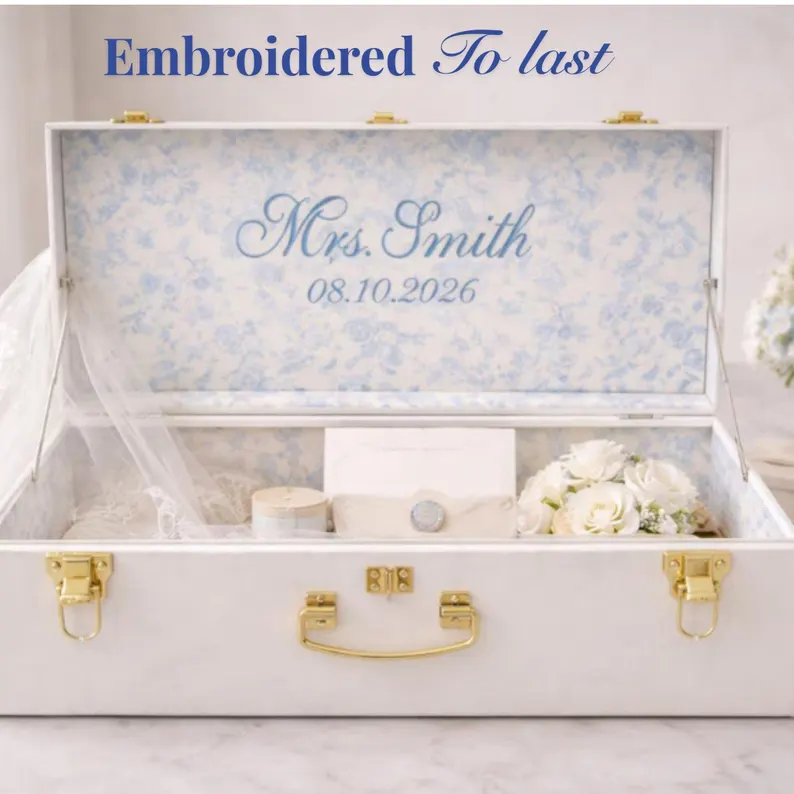
If you haven’t chosen one yet, browse these wedding keepsake boxes and memory trunks for inspiration.
- Small keepsake boxes: best for just wedding-day items
- Medium boxes: good balance of space and organization
- Memory trunks: ideal if you plan to add items long-term
Look for something sturdy, closed, and ideally acid-free or archival-safe if you’ll be storing paper items long term.
Tip: A slightly larger box is almost always better than one that feels “just enough.” Most couples underestimate how many small items they’ll want to keep.
✨ What a Perfect Wedding Memory Box Setup Looks Like
If you want your memory box to last for years, it helps to think of it as more than just a storage container—it’s a curated collection of your wedding story.
- A sturdy keepsake box or memory trunk for larger items
- Acid-free folders or envelopes for paper items
- A small pouch or envelope for loose sentimental pieces
- A dedicated section for printed photos
- A space for future memories like anniversaries and milestones
The goal is simple: everything has a place, so nothing gets damaged, lost, or forgotten over time.
How Big Should a Wedding Memory Box Be?
The size of your memory box matters more than most couples realize. While it may start with just a few keepsakes, your collection often grows over time.
If you plan to include anniversary cards, photos, and future memories, a memory trunk is usually a better long-term choice than a small keepsake box.
Think ahead—your wedding memory box is not just for your wedding day, but for your entire story together.
2. Decide What Categories to Include
Before you start filling your box, think in categories instead of random items. This helps keep everything organized and easy to revisit later.
- Ceremony memories (vows, program, readings)
- Reception memories (menu, place cards, cake topper)
- Personal items (letters, cards, jewelry)
- Photos and printed moments
- Travel and honeymoon keepsakes
► Need help deciding what to include? Start with our guide to wedding keepsakes worth saving.
3. Start Collecting Early
One of the biggest mistakes couples make is waiting until after the wedding to start a memory box. The best ones begin during the engagement and grow over time.
Add items like:
- Save-the-date cards
- Engagement photos
- Bridal shower or wedding planning notes
- Dress swatches or fabric samples
- Handwritten letters between you and your partner
Most Important Rule
Don’t try to make your wedding memory box perfect—focus on meaning over aesthetics. The most valuable keepsakes are often the simplest ones: handwritten notes, worn-in vows, and candid photos.
4. Preserve Items Properly
Not everything can be stored the same way. Some items need protection to last for years without fading or damage.
- Store paper items in acid-free sleeves when possible
- Press or dry bouquet flowers before storing
- Keep photographs in protective photo sleeves or envelopes
- Avoid storing in humid or hot environments (like attics or basements)
5. Organize Before You Store
Lay everything out before putting it in the box. This helps you decide what truly matters and prevents overfilling.
Many couples organize items loosely by “story order”—from engagement to wedding day to honeymoon—so opening the box feels like reliving the journey.
6. Add Personal Labels or Notes
Adding small notes can make your memory box even more meaningful over time.
- Date each item
- Write a short note about why it matters
- Include who gave you cards or letters
These small details become incredibly powerful years later when memories start to fade.
7. Store It Somewhere Safe
Your wedding memory box should be stored somewhere dry, cool, and out of direct sunlight. The goal is preservation, not display, unless your box is decorative and protected.
- Closet shelves (ideal)
- Under-bed storage bins
- Bedroom dressers or cabinets
• For long-term storage ideas, see our favorite wedding keepsake boxes and memory trunks.
8. Keep Adding to It Over Time
Your wedding memory box doesn’t stop at the wedding day. It becomes a living collection of your relationship.
You can continue adding:
- Anniversary cards
- Family milestones
- Travel souvenirs
- Photos from special moments
- Love notes and letters
Pro Tip
The best memory boxes tell a story—not just of your wedding day, but of your entire relationship. Don’t be afraid to include imperfect or everyday items. Those often become the most meaningful later.
Storage Mistakes That Damage Wedding Keepsakes
- Using non-archival plastic bags
- Storing items in direct sunlight
- Mixing flowers with paper items
- Overstuffing the box (causes bending/damage)
What NOT to Put in Your Wedding Memory Box
Not everything needs to be saved, and overfilling your memory box can make it harder to preserve what truly matters.
- Large decor items that won’t store well or degrade over time
- Duplicate printed photos you’ll never revisit
- Anything damp, unsealed, or already damaged
- Any food or drink items
- Bulky items that belong in separate storage
Emma’s Rule of Thumb: if it doesn’t hold emotional meaning or long-term value, it doesn’t need to go in the box.
Common Mistakes to Avoid
- Choosing a box that’s too small
- Throwing everything in without organizing
- Skipping preservation steps for photos or flowers
- Only saving “perfect” items instead of meaningful ones
Why This Box Matters
Long after your wedding day is over, your memory box becomes one of the only ways to truly relive it… not just how it looked, but how it felt.
Related: You may also love these best wedding keepsake boxes and memory trunks for storing everything beautifully.
What is the best type of box for wedding keepsakes?
A memory trunk or archival-safe keepsake box is best because it protects items long-term and allows room for future memories.
How do I organize wedding keepsakes?
Organize by category (ceremony, reception, personal items, photos, travel) so your memory box tells a clear story.
Can I add items to my wedding memory box later?
Yes. Most couples continue adding anniversary cards, photos, and milestones for years after the wedding.
Before You Go
Creating a wedding memory box is less about perfection and more about intention. It’s a way to protect the small, meaningful details that make your wedding day unforgettable.
Over time, it becomes more than a collection—it becomes a story you can hold in your hands.
Next step: Once your memory box is set up, explore beautiful storage options in our guide to wedding keepsake boxes and memory trunks.
Happy Planning!
xo
Emma