
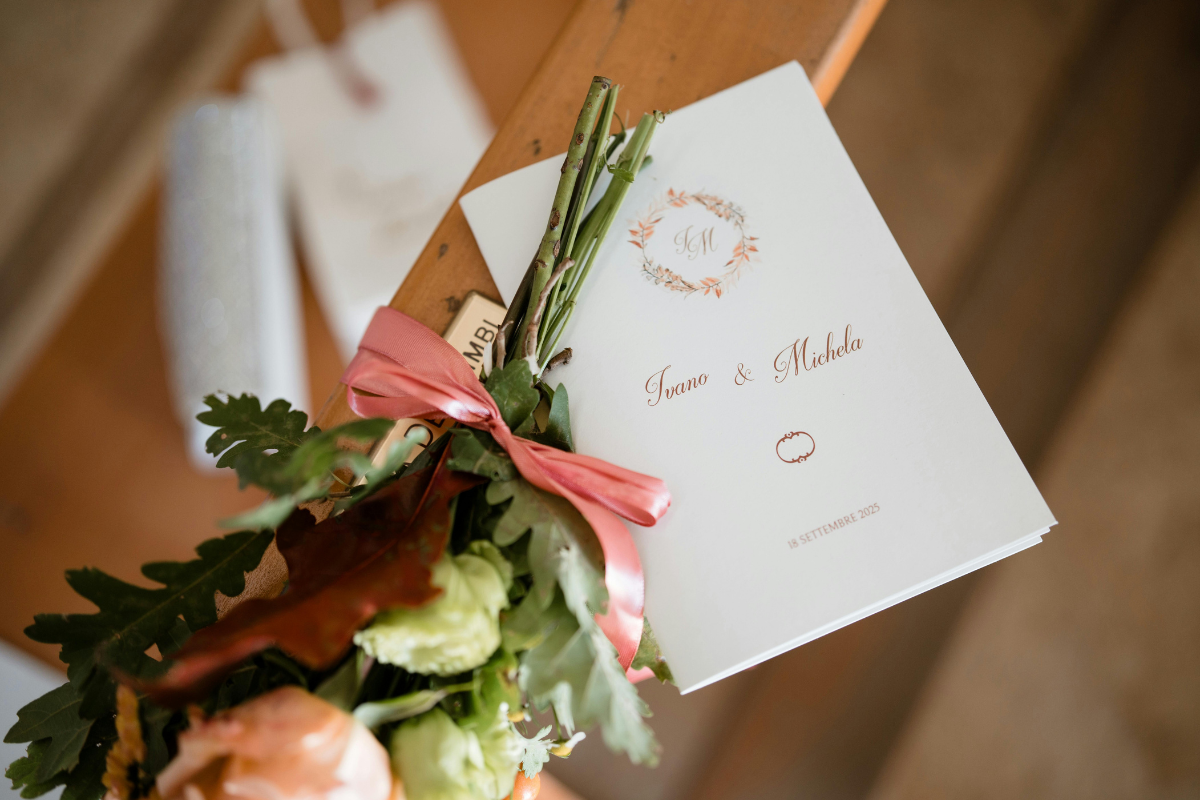
Weddings are often filled with beautiful large-scale moments. Venues, floral installations, lighting, music, and photography usually receive the most attention during planning because they shape the visual atmosphere of the day. Yet many guests end up remembering something much smaller and more personal afterward. Handmade details often leave the strongest emotional impression because they make the celebration feel intentional rather than purely decorative.
As weddings become more personalized, couples are increasingly moving away from highly standardized event aesthetics and focusing more on meaningful details that reflect personality, family traditions, and creativity. Handmade elements bring warmth into the experience in a way mass-produced décor often cannot replicate. They suggest time, care, and emotional investment, which naturally changes how guests connect to the event itself.
This shift is also part of a broader movement toward weddings that feel authentic instead of overly staged. Couples increasingly want celebrations that reflect their real relationships and values rather than simply following trend-driven templates.
Textures Often Create the Most Memorable Atmosphere
Visual design matters at weddings, but texture frequently influences how warm and inviting the environment feels emotionally. Soft fabrics, woven details, layered materials, and handmade textiles create a sense of comfort that guests notice even if they cannot immediately explain why the atmosphere feels different.
Handmade knit accents, embroidered table details, woven signage pieces, or textured ceremonial décor often make wedding spaces feel more intimate and personal. These details soften formal environments and create a stronger connection between the décor and the people celebrating inside the space.
Traditional knitwear and woven craftsmanship from places like https://www.aran.com/ continue influencing wedding styling because textured handmade aesthetics feel timeless rather than temporary. Couples often incorporate natural materials and artisanal textures into ceremonies, bridal preparation outfits, outdoor receptions, and seasonal celebrations to create a warmer atmosphere overall.
Handmade Gifts Feel More Personal Than Generic Favors
Wedding favors are one of the most commonly forgotten parts of many celebrations. Guests often appreciate the gesture, but mass-produced favors frequently blend together after multiple weddings over the years.
Handmade items tend to create a different reaction because they feel connected to the couple rather than simply purchased for convenience. Small woven keepsakes, handmade candles, embroidered items, knitted details, or personalized crafts often become more emotionally meaningful because they reflect effort and individuality.
This is one reason many couples are returning to crafting traditions during wedding planning. Handmade projects allow couples, family members, and friends to participate creatively in the celebration itself instead of limiting preparation entirely to vendors and suppliers.
Yarn and Fiber Crafts Are Returning to Wedding Design
Fiber-based wedding details have become increasingly popular as couples look for ways to create softer, more personalized visual styling. Handmade runners, woven backdrops, crocheted decorations, knitted table accents, and custom textile installations add depth without feeling overly formal.
Couples exploring projects involving sport weight yarn often choose lighter fibers because they work well for detailed decorative elements without becoming visually heavy. Yarn crafts allow for a wide range of personalized additions, from ceremony décor to handmade bridal accessories and keepsake gifts for family members.
These details also photograph differently from highly polished synthetic décor. Handmade textures tend to create warmth and dimension that make wedding environments feel more lived-in and emotionally inviting.
Guests Remember Emotional Details More Than Perfection
One reason handmade elements stand out is that they create emotional connection rather than visual perfection alone. Guests often remember the handwritten seating cards, custom family tributes, or handmade ceremony pieces more vividly than expensive decorative installations.
Perfection is becoming less important than authenticity in many modern weddings. Slight imperfections in handmade details often make the celebration feel more human and emotionally sincere rather than commercially produced.
This shift reflects changing priorities among younger couples especially. Weddings are increasingly viewed as experiences centered around connection and storytelling instead of purely formal presentation.
Seasonal Weddings Benefit From Handmade Warmth
Handmade details become especially powerful during seasonal weddings where atmosphere plays a major role in the guest experience. Autumn and winter weddings, in particular, often feel more inviting when soft textures and handmade materials are incorporated throughout the event.
Layered fabrics, woven table décor, knit accessories, candlelight, and natural materials all contribute to creating a more intimate environment during colder seasons. These elements help guests feel physically comfortable while also enhancing the emotional tone of the event.
The Martha Stewart Weddings has highlighted how personalized handmade elements continue growing in popularity as couples prioritize warmth, storytelling, and individuality over highly standardized wedding aesthetics.
Handmade Details Often Become Family Keepsakes
Unlike disposable décor, handmade wedding elements frequently continue carrying emotional value long after the event itself ends. Woven blankets, knitted ceremony pieces, embroidered fabrics, and handcrafted gifts often become keepsakes connected to memories of the wedding day.
This long-term emotional value is one reason handmade additions feel different from trend-focused décor that may lose relevance quickly. Handmade pieces often carry personal stories involving family participation, shared preparation, or meaningful traditions.
In many cases, the process of creating these items becomes part of the wedding experience itself. Family members and close friends may contribute time and creativity, making the final celebration feel even more collaborative and emotionally layered.
Personal Craftsmanship Creates a Different Kind of Luxury
Luxury weddings are increasingly defined less by extravagance alone and more by personalization, atmosphere, and emotional depth. Handmade craftsmanship fits naturally into this shift because it introduces individuality into spaces that might otherwise feel overly polished or impersonal.
Guests often respond more strongly to thoughtful details than to excessive spending. Handmade elements signal care, patience, and intentionality in ways highly commercial décor sometimes cannot replicate.
The weddings people remember most are rarely the ones that simply looked expensive. More often, they are the celebrations that felt personal, welcoming, and emotionally genuine from beginning to end. Handmade details help create that feeling because they reflect the people behind the event rather than just the event itself.
This is a guest post.